Journal · Walking · 4 min read
Low-water walks: how long you really have
The water comes back across flat sand faster than you can walk. How to work out a safe turn-back time for a causeway, a tidal island or a long beach.
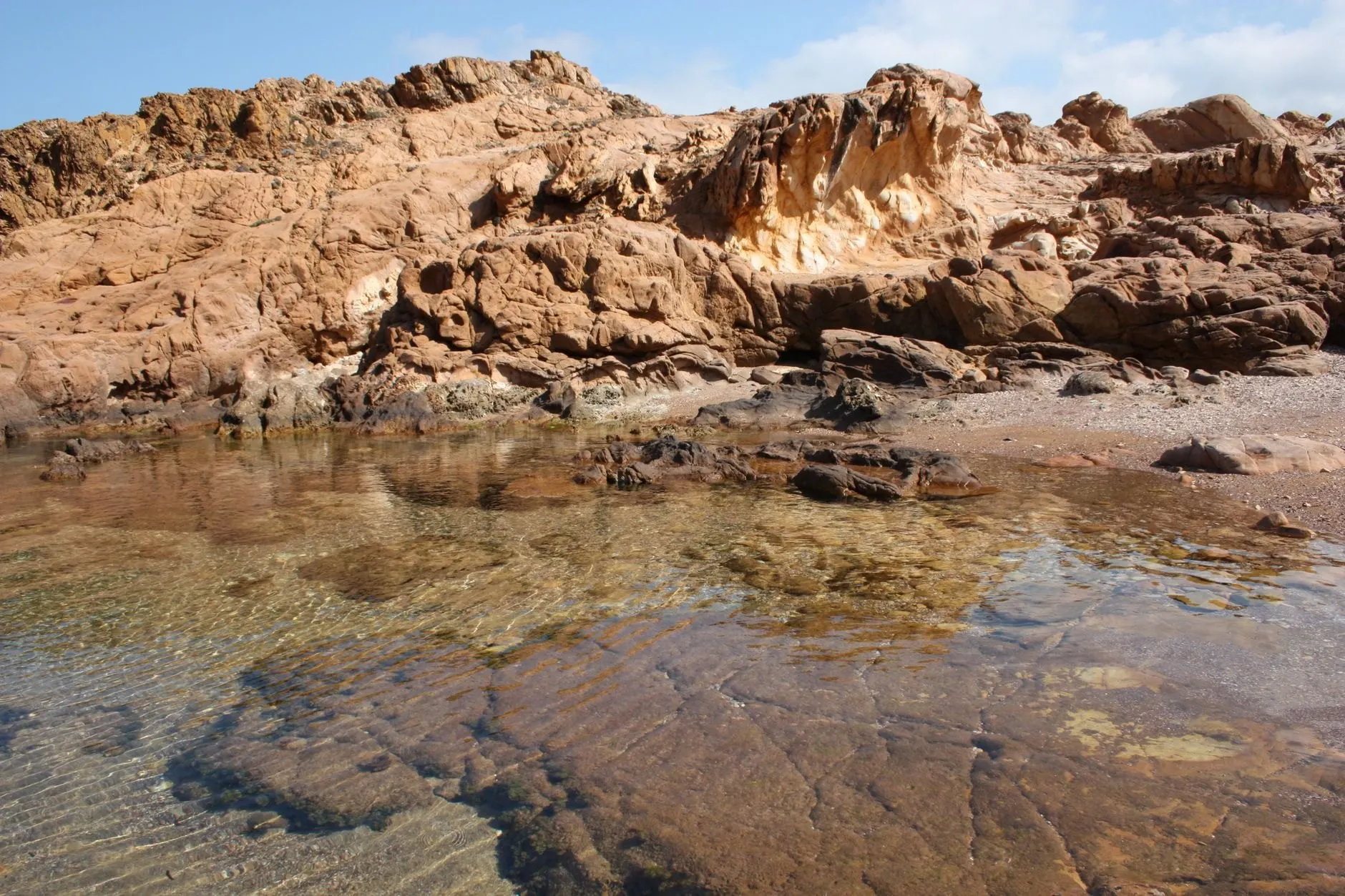
Low water is the best time on a lot of coasts. Pools uncover, causeways open and a beach doubles in size. It is also the time people get cut off, because the tide does not come back evenly.
Flat ground floods fast
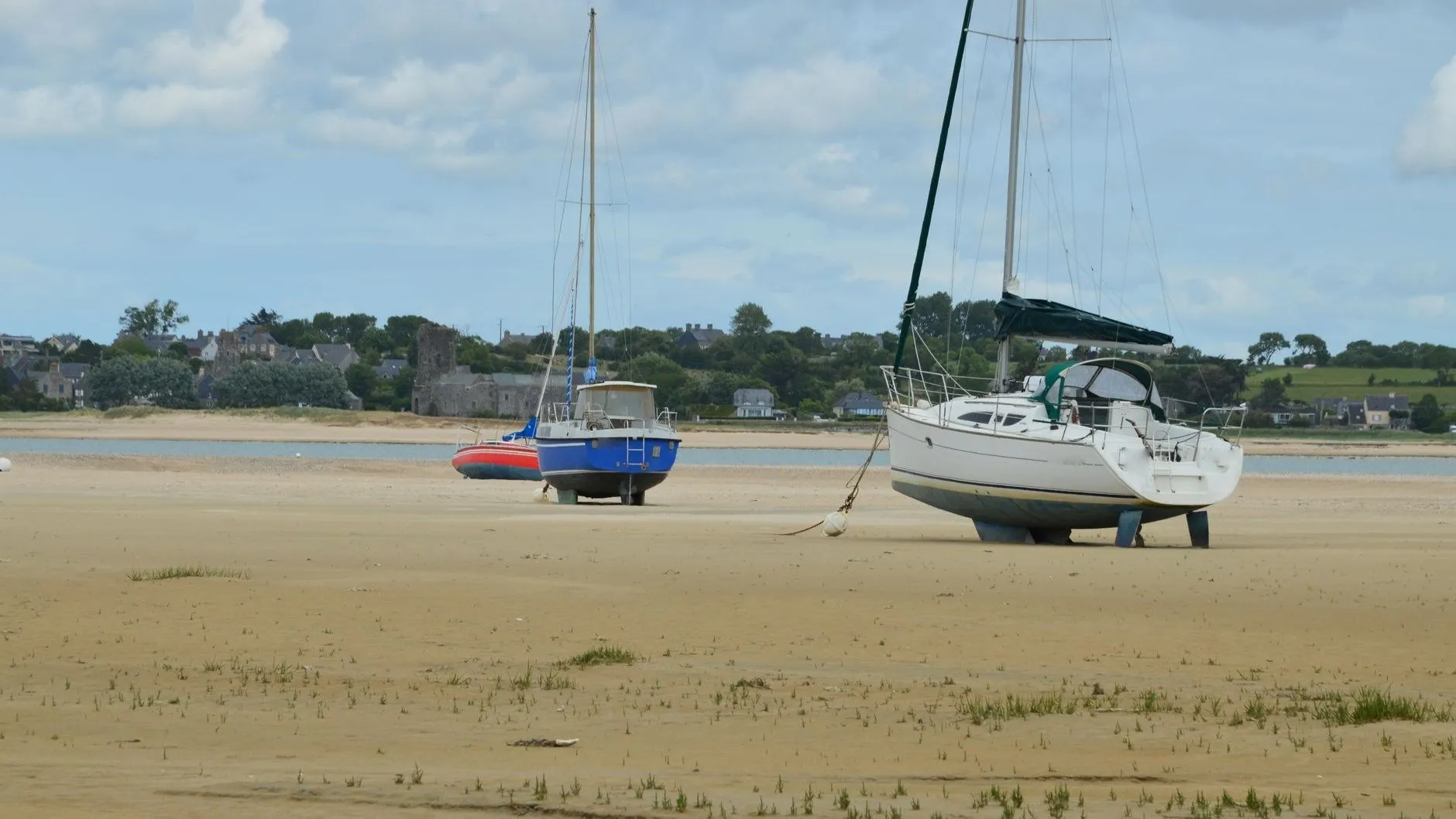
On a steep beach, half a metre of rise moves the waterline a few metres. On a wide sand flat like the one at Feltwater Ness, the same rise can move it hundreds of metres, in channels that fill behind you before the flat in front of you is wet.
Working out a turn-back time
You need two numbers: the height of the path you are walking on, and the time the rising tide reaches it.
- The path height. Local signs often give it; so does the chart.
- The crossing time. Open the port in Wrackline and read when the rising curve crosses that height.
- Your margin. Subtract it from the crossing time. We suggest at least an hour.
Wrackline does this for you: save the causeway with its path height and it shows a “turn back by” time on the curve, with your margin already taken off.
Two rules we would add
Go out on a falling tide, never on the last of it. And if you are near the turn-back time and still far from the shore, turn back now rather than at the time.
Quick answers
How much margin should I leave?
At least an hour on a causeway, more on a big spring tide or when surge watch flags the day.
Does the turn-back time need a signal?
No. Every prediction is computed on the phone, so it works on a cliff path with no signal at all.